@drreeschecketts
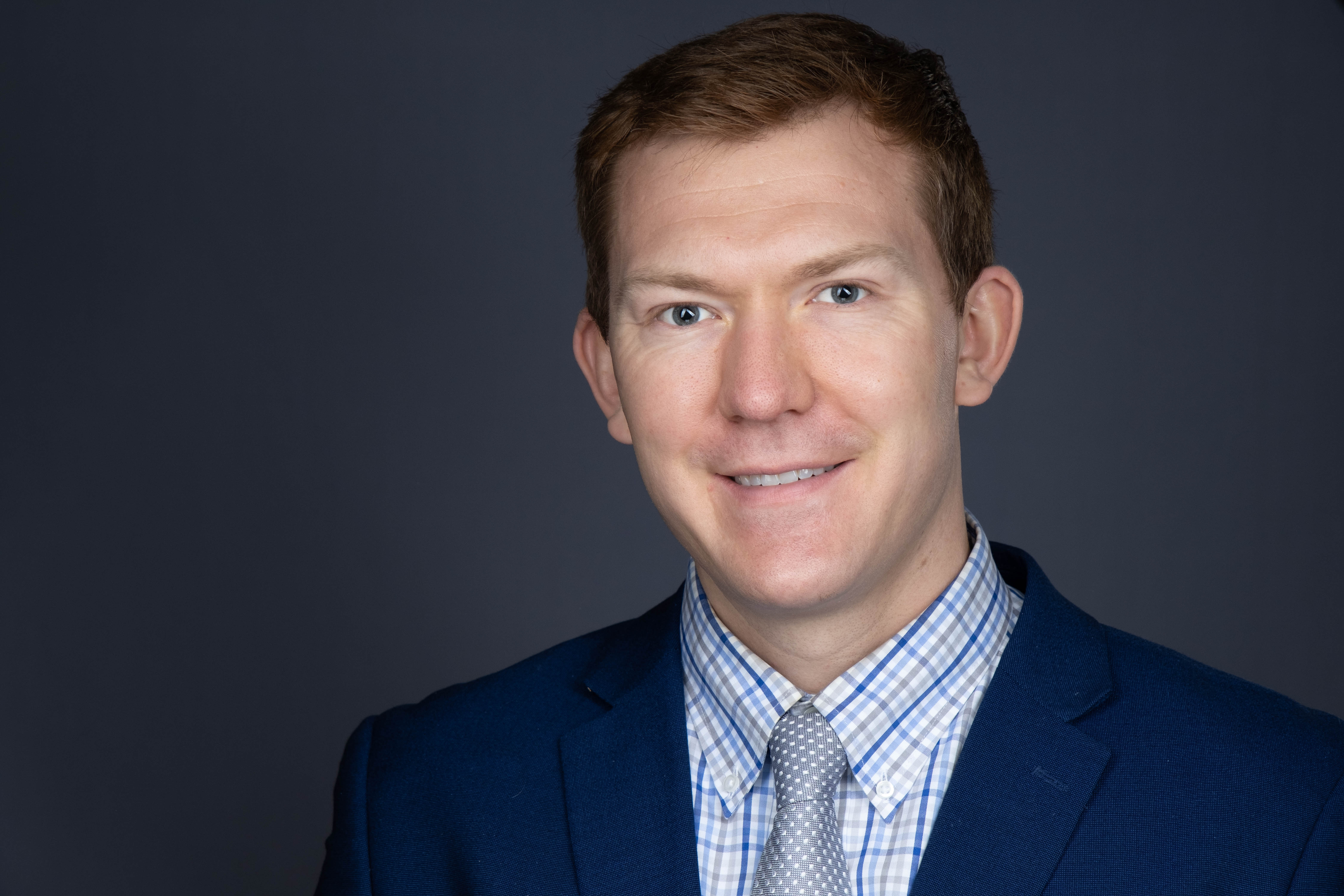
Dr. Rees Checketts, DO
This isn't willpower. It's biology.
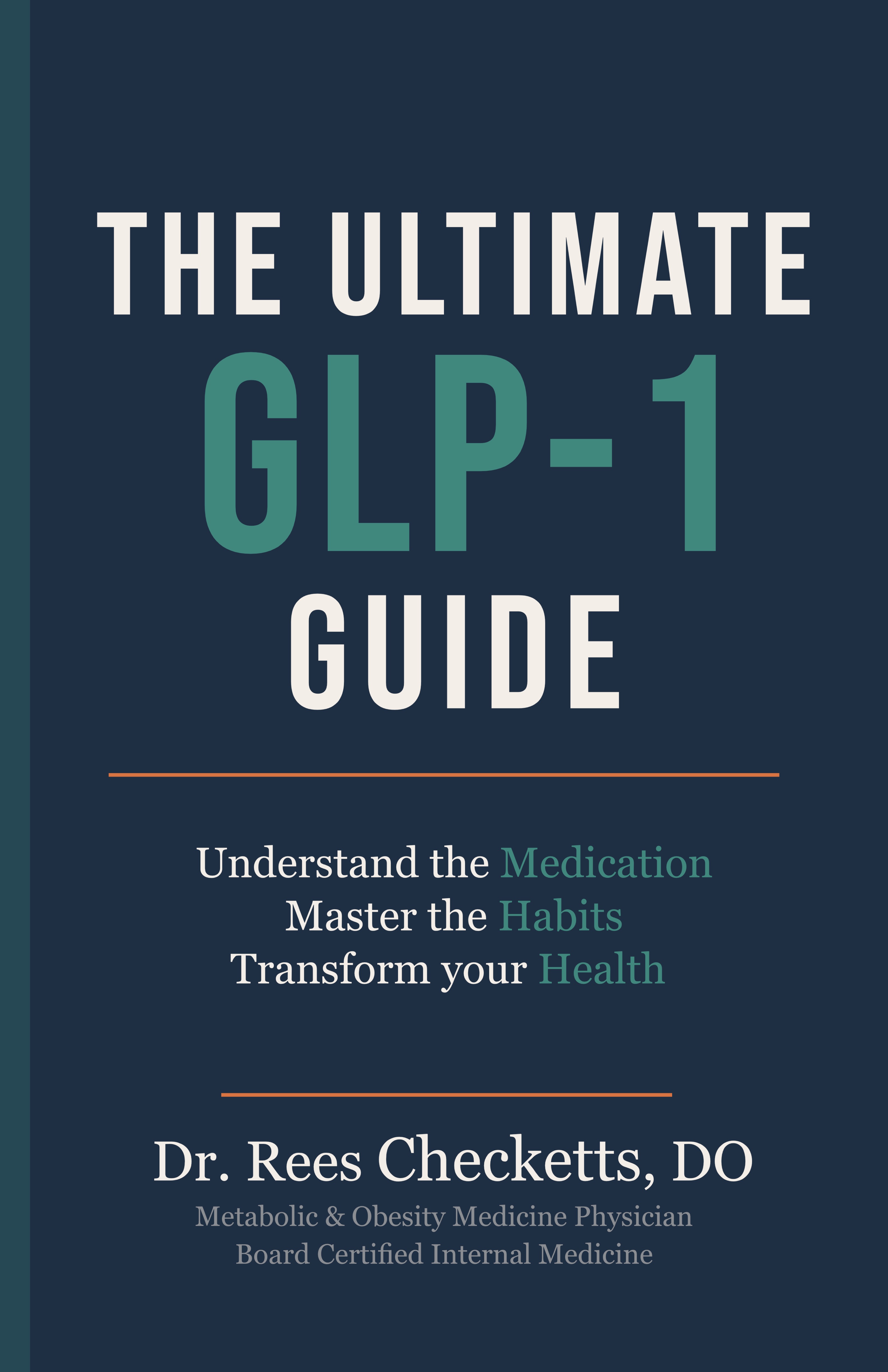
New · July 2026
The Ultimate GLP-1 Guide
Understand the Medication. Master the Habits. Transform your Health.
Get the Guide →Instant PDF download · Clinically grounded. Practical. Honest.
What's Inside
- Complete dosing & titration charts — Wegovy, Zepbound, oral options
- Red-flag symptom card: what's expected vs. what needs a call
- Protein targets, food references & low-appetite day plans
- Questions to ask your provider at every stage
- Weekly exercise framework built for GLP-1 patients
Resources
🏥
Book an Appointment
Tanner Clinic · Obesity Medicine → 🛒 My Amazon Shop
Recommended products & tools → 📉 Lose It! App
Calorie & nutrition tracking → 🥗 MyFitnessPal
Food logging & macro tracking →
Tanner Clinic · Obesity Medicine → 🛒 My Amazon Shop
Recommended products & tools → 📉 Lose It! App
Calorie & nutrition tracking → 🥗 MyFitnessPal
Food logging & macro tracking →
Guidance
🏃 Exercise & Movement ▼
- Protein + resistance training is the most effective combo for preserving lean mass during weight loss.
- 150–300 min/week of moderate aerobic activity is the evidence-based target — walking counts.
- Strength train 2–3×/week. Muscle is metabolically active tissue. More muscle = higher resting metabolism.
- NEAT matters. Non-exercise activity (standing, steps, fidgeting) often burns more than structured workouts.
- Start where you are. 10 minutes of movement beats zero. Consistency beats intensity every time.
😴 Sleep & Recovery ▼
- Poor sleep dysregulates hunger hormones. Ghrelin (hunger) rises, leptin (fullness) falls — your brain is working against you.
- 7–9 hours is the target for most adults. Chronic short sleep is an independent risk factor for obesity.
- Screen light at night suppresses melatonin. Dim screens or use blue-light filters 1 hour before bed.
- Cool + dark + consistent. Sleep environment and timing are as important as duration.
- Treat sleep apnea. Untreated OSA sabotages weight loss efforts — ask your provider about screening.
Obesity Medicine FAQs
"Is obesity really a disease, or is it a lifestyle choice?" +
Obesity is recognized as a chronic disease by the AMA, the Endocrine Society, and the WHO. It involves complex interactions between genetics, hormones, neurobiology, and environment. Willpower plays a much smaller role than biology — and treating it as a moral failing is both inaccurate and harmful.
"Do GLP-1 medications like semaglutide really work?" +
Yes. The STEP 1 clinical trial showed an average of ~15% body weight reduction with semaglutide — results that were previously only seen with surgery. These medications work by targeting hunger and satiety signals in the brain, not just slowing digestion. They're not a shortcut; they're a treatment for a biological disease.
"Will I have to take weight loss medication forever?" +
For many people, yes — just like blood pressure or diabetes medication. Obesity is a chronic condition with a strong biological drive to regain weight. Stopping medication often leads to weight regain. That's not failure; it's how the biology works. Your provider can help you weigh the long-term risk/benefit picture.
"What's the difference between BMI and actual health?" +
BMI is a screening tool, not a diagnosis. Two people with the same BMI can have very different metabolic health profiles. Waist circumference, visceral fat, blood markers (insulin, lipids, glucose), and overall functional health give a much more complete picture than a number on a scale or a BMI chart.
"Can I lose weight without medication?" +
Absolutely. Lifestyle change — nutrition, movement, sleep, stress management — is always the foundation. Medication is an option when biology makes that foundation insufficient on its own. A good obesity medicine provider will individualize the approach based on your health history, goals, and biology. There's no one-size-fits-all answer.
⚕️ This page is for educational purposes only and does not constitute medical advice. Consult a qualified healthcare provider before making any changes to your health regimen.